For those not in on the joke, this will be very bewildering. For those not in on the tragedy, this will be a bit sad. Apologies on both regards.
uhgbiiiiiiiiiiiiiiiiiiiiiiiiiiiiiiiiiiiiiiiiiiiiiiiiiiiiiiiiiiiiiii45 67usw2338888888888888888888888888888888jjbbbbbbbbbbbbbbbbbbbbbbbbb4bn4n4n4n4n4njnnnnnjnjnjnjnjnjnjnjnjnjnjnjnjnjnjnjnjnjnjnjnjnjnjnjnjnj4jjjjjjjjjjjjjjj4j4wjjnjjjjjjjjjnjnjnjnjnjnjnjnjnjnjnjnjnjnjnjnjnjnjnjnjnjnjnjnjnjnjnjnjnjnjnjnjiiiii/xxxxxxxxxxxxk
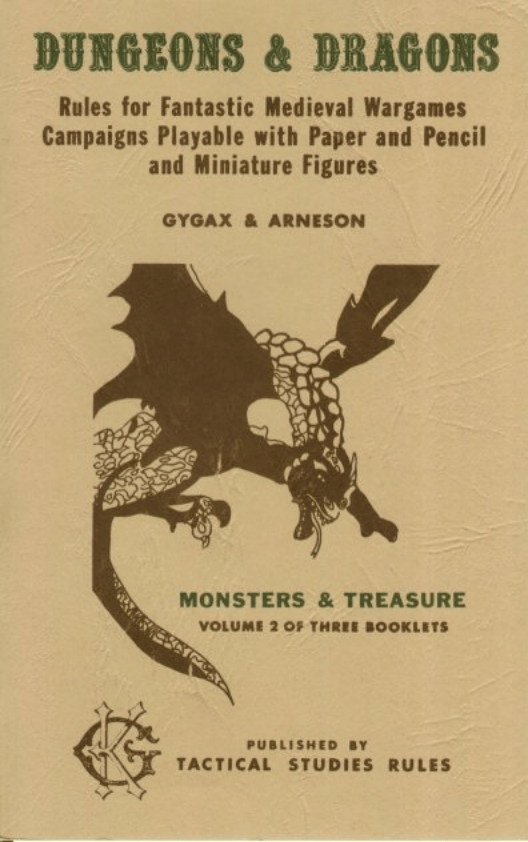
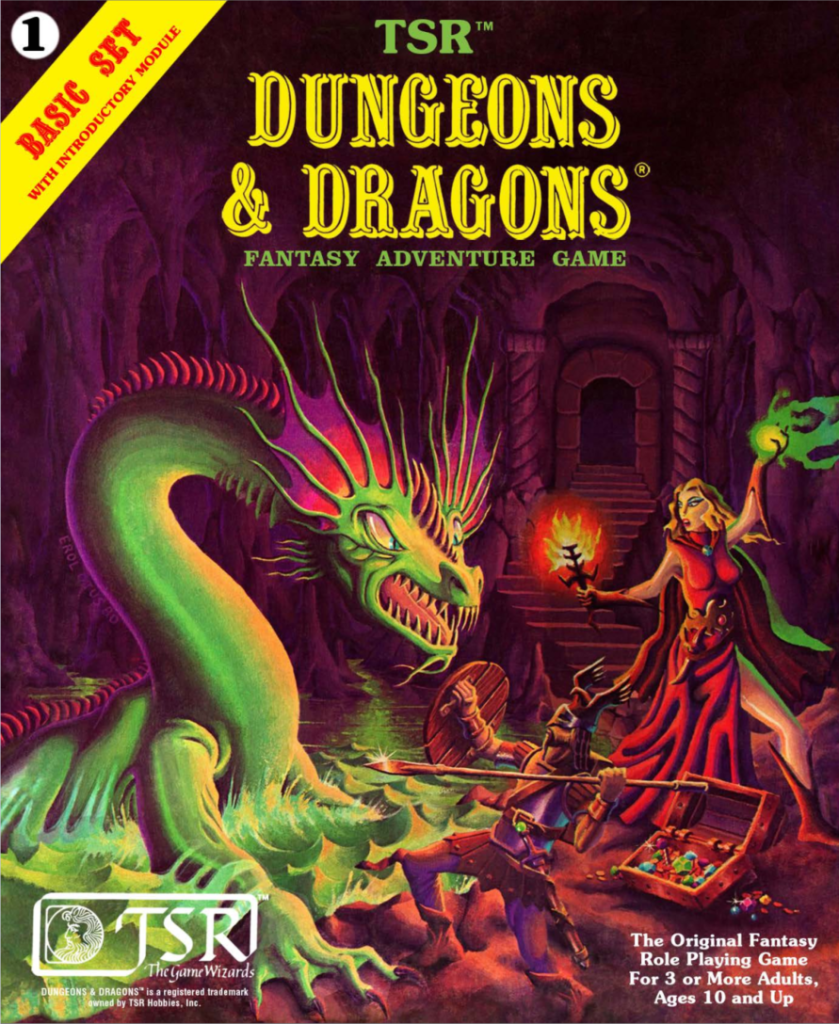
Today we examine the Chorse, a playable race for 5th Edition Dungeons & Dragons. As usual, I’m more interested in its OSR roots than its most modern manifestation, so I want to look at two TSR-era sources: a scan of a purportedly authentic copy of Gary Gygax’s Monsters & Treasure, Volume 2 of the Little Brown Books (LBB) of Original Dungeons & Dragons (OD&D) from 1974, and a scan of a purportedly authentic copy of Tom Moldvay’s Dungeons & Dragons Basic Set (1981).
Through comparison, I hope to reconstruct the Chorse’s design lineage and to speculate how it ends up absent from the modern 5e Monster Manual, existing instead only as a playable character race.
The Old-School Chorse
The Chorse first appears in Monsters & Treasure, wedged between the Centaur and Unicorn entries. Gygax’s monster lists were notably not alphabetical but thematic, so this placement reads as an editorial nod to the Chorse’s status as a “dark mirror” to the Centaur and Unicorn. That it is also equine, and thus placed by equine entries, goes without saying.
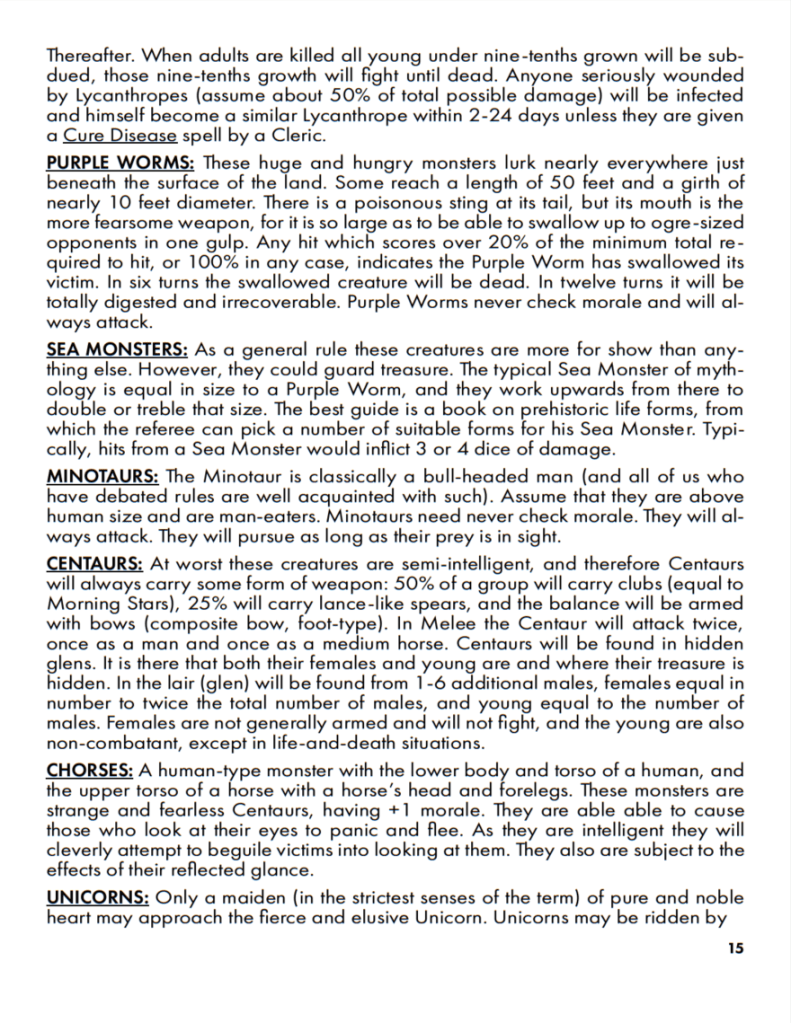
Chorses parallel the “Hobgoblin” entry in how they refer back to the creature they mirror. Just as hobgoblins are “large and fearless goblins”, so too are Chorses “strange and fearless Centaurs”, with a +1 morale over the base Centaur. Their gaze attack is lifted almost verbatim from the Medusae entry, albeit causing panic rather than petrification. Perhaps Chorses can be seen as softer, “incomplete” Medusae variants, meant for encounters at lower levels.
The physical description, cursed as it is, is obviously a deliberate inversion of the Centaur. Given Gygax would later delight in making monster entries out of cheap plastic Chinese toys, this kind of grotesquerie fits right in with the D&D monster aesthetic he expands upon later.
Holmes mostly follows Gygax’s lead in monster description, but Tom Moldvay’s compilation of the Basic Set revises the Chorse significantly:
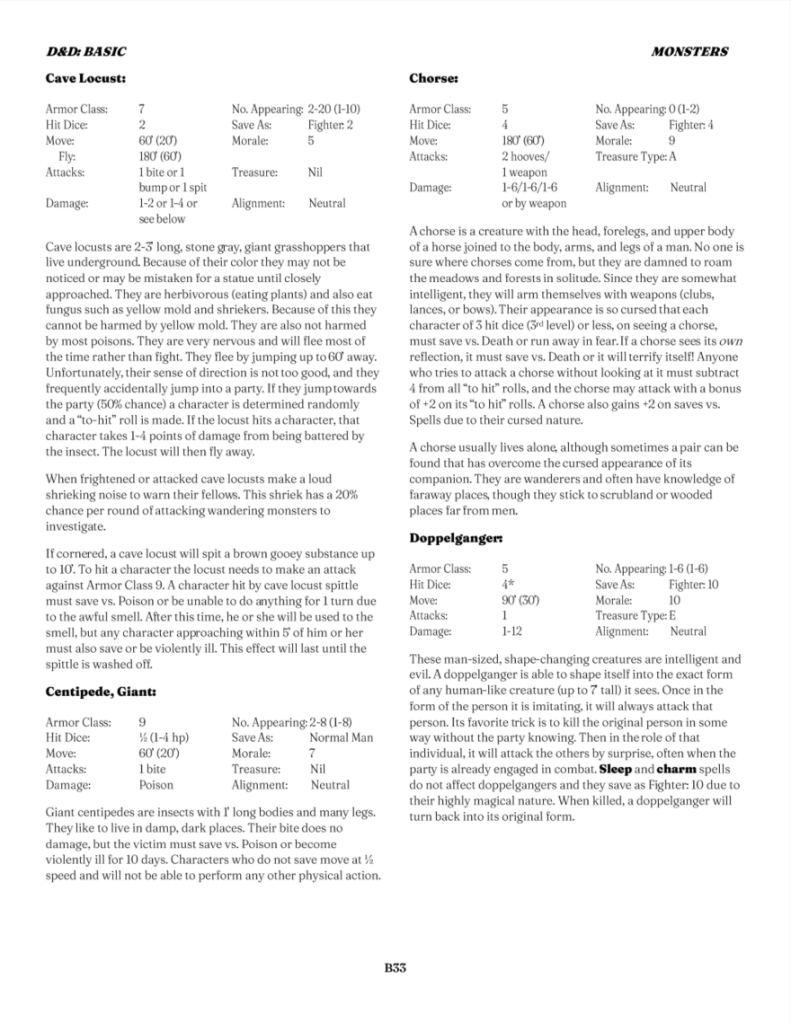
The biggest change is in the saving throw. OD&D is a bit vague about where saving throws are intended, but the Medusae-based gaze attack would either inflict automatic panic (no save), or reasonably could be ruled to requiring a Save vs. Turn to Stone – a saving throw category unique to Original Dungeons & Dragons that gets remixed in later editions, becoming Save vs. Turn to Stone or Paralysis in Basic D&D and Save vs. Petrification or Polymorph in Advanced D&D. In Moldvay, though, the Chorse requires a Save vs. Death for characters of 3 hit dice or less.
This is a substantial power reduction, surprising from Moldvay, whose monster design and wandering monster tables are famously more lethal than any other designer in the Basic D&D line. The “Save vs. Death” stems from the Giant Shrew entry, which also has a fear effect that only hits characters of 3 hit dice or less. The hybridization continues the Chorse’s history of having other monster mechanics get bolted onto it. Moldvay also adds one throwaway line that is instructive: “A chorse also gains +2 on saves vs. Spells due to their cursed nature.” In 5e, the playable race has a similar resistance to magic in the ability Cursed Form. We can speculate that Moldvay is where this originates from.
Where did Moldvay get it? Well, the magic resistance matches in clausal structure what Medusae have in Moldvay (but not OD&D), so maybe it was more parallel design. It would fit, given that the Chorse is, in our speculations, a chimeric combination of Centaur, Medusa, and Giant Shrew.
The last oddity is the “No. Appearing: 0 (1-2)” bit for the Chorse’s stats. In Moldvay’s notation, the number before the parentheses is the number encountered in a dungeon setting. The number insided is the number in a lair or wilderness setting. A dungeon encounter rate of 0 means the Chorse isn’t meant to be a dungeon monster. That’s rare in the Basic Set, but matches Moldvay’s later 0 for Centaurs as well as wild animals like Elephants or Giant Sturgeons in his Expert Set. Since the Chorse is not based on mythology or nature, though, it is curious why Moldvay would consider it a non-dungeon encounter. The most funny reason I can think of is that Moldvay inherited the Chorse from Gygax but found it embarassing to put such a cursed monster into play. Maybe the 0 is a quiet demotion – keeping the Chorse in writing but ensuring it would rarely, if ever, show up at the table.
The Modern Chorse
The dungeon encounter rate of 0 is where the Chorse starts its grand march out of the Monster Manual and into the realm of playable races. Combined with its intelligence, weapon use, and cursed nature, it is easy to see why modern designers might have found it amusing to turn the Chorse into a candidate for players to choose. Modern players, respectfully, love to play utterly cursed things, and a bizarre hybrid like the Chorse fits far more naturally into that milieu of player-piloted abominations rather than as a monster manual entry.
A Tribute
In actuality, of course, Ovion from Discord of Many Things was the original designer of the Chorse. Its first actual existence as an idea is from 7/12/2021, and it initially wasnt clear whether the chorse would be part car, or part cheese, or part carriage, even.

Its early renditions as artwork are all as cursed as you would expect, so I’ll only show the one:
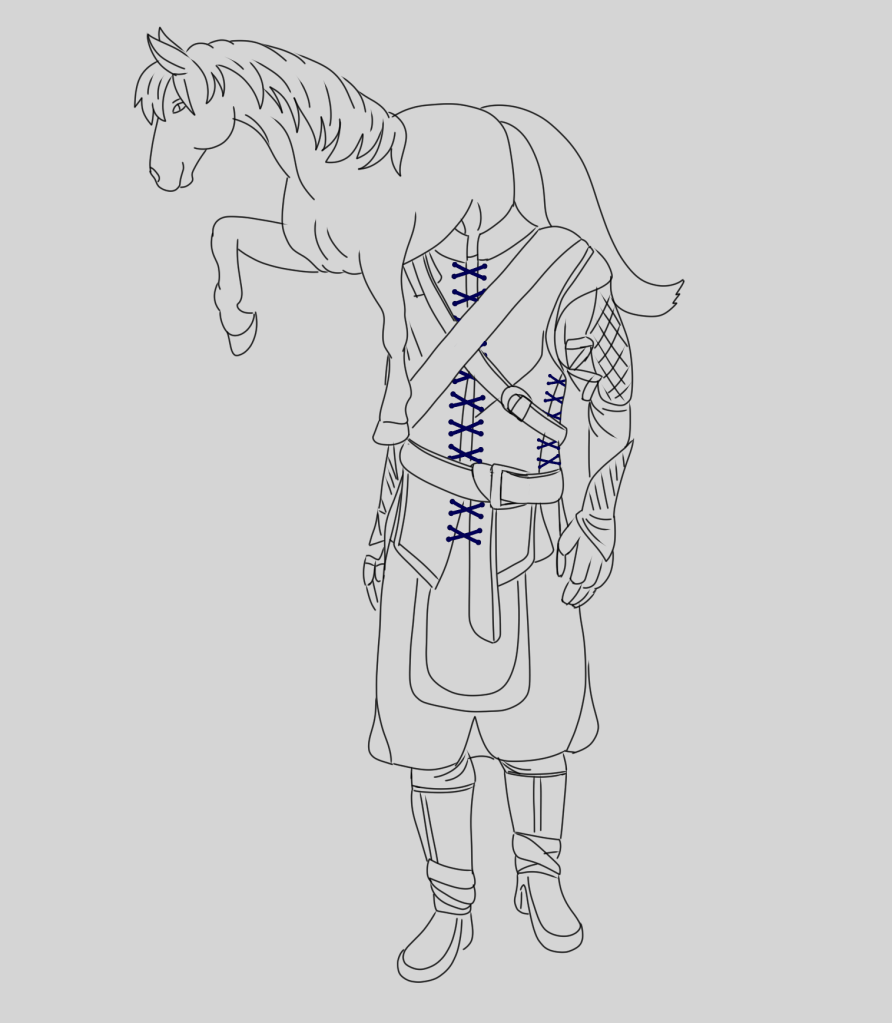
But it became a meme of sorts on DoMT, a sort of “if you know you know” memetic hazard that we could introduce new, unsuspecting members to. Over time a sort of meta-canon evolved, where the chorse canonically played and invented basketball, where the chorse could be deployed to scare off Pathfinder fans who came onto the server, and where spells were proposed for campaigns like the Transmutation spell, Temporary Chorse. It’s fitting I think that we remember the joy the Chorse brought us, when we remember Ovion.
Ovion passed on October 5th, 2026. He was a longtime community member of DoMT, and his passion and willingness to help others has made it into everything from homebrew to GM praxis to inspiring people to build mecha models. As the mods of DoMT put it, his influence has made it onto tables of at least five continents.
音容宛在, Ovion. Your voice and presence yet remains with us.


Leave a Reply